• Working Principle of Leveling Roll
    Apr 21, 2026 Working Principle of Leveling Roll
    Working principle of a leveling roll:  Initial bending (entry section) The sheet first enters the entry roll set, where rollers arranged alternately on the top and bottom apply bending forces far exceeding the yield strength, causing the surface layer to stretch and the core layer to compress, eliminating large waves or warping. Repeated bending (middle section) Traveling through a dense roll set, the sheet undergoes alternately forward and reverse bending (S-shaped path), so that the stretched/compressed areas from the previous stage are swapped in the next bending, disrupting and redistributing residual stress, progressively correcting flatness. Elastic recovery control (exit section) The exit roll gap is slightly larger than in the middle section, applying a force slightly above the yield strength, allowing the sheet to leave under controlled elastic recovery, preventing reverse warping or insufficient correction.
    View More
  • The core advantages of hydraulic nuts
    Apr 17, 2026 The core advantages of hydraulic nuts
    Compared with traditional electric or manual wrenches, hydraulic nuts have an irreplaceable position in heavy industry:  No torque friction loss: Most of the force from traditional wrenches is lost on thread friction, while hydraulic nuts directly stretch the bolts, with extremely precise control of the preload force (usually within a ±5% error).  High synchronization: Multiple hydraulic nuts can be connected to a single pump simultaneously, ensuring uniform force on the entire flange surface and preventing leakage caused by uneven stress on the gasket.  Non-destructive: Since no torsional force is generated, the thread surface is not damaged and galling does not occur.  Extremely efficient: For large bolts (such as M100 and above), traditional methods might require several people a whole day, whereas hydraulic nuts can complete the task in a few minutes.
    View More
  • The working principle of a hydraulic nut
    Apr 17, 2026 The working principle of a hydraulic nut
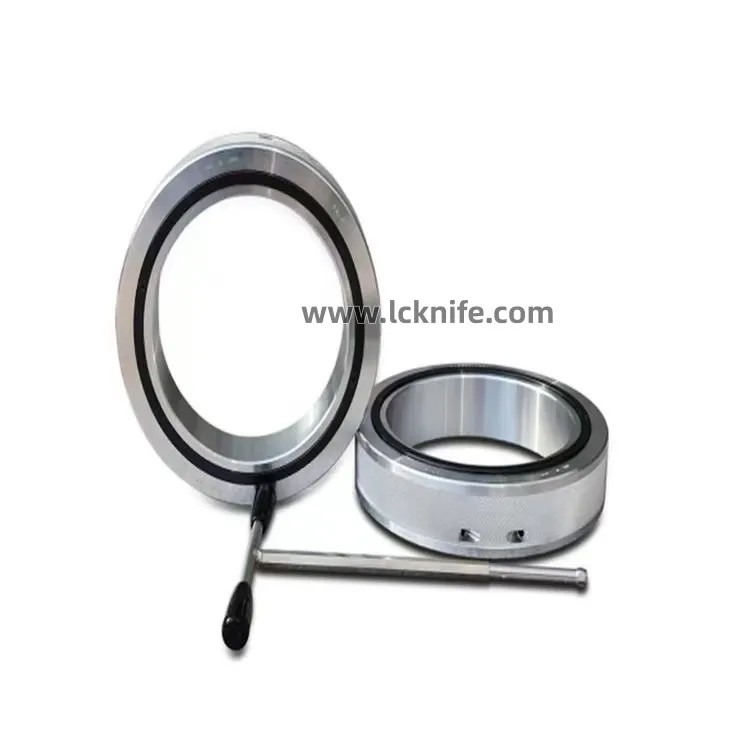
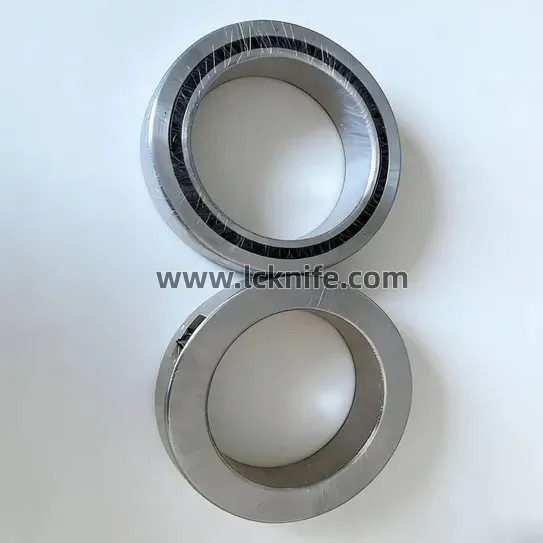
    The core structure of the hydraulic nut includes a steel body with internal threads, a piston, and a seal ring. Fitting and aligning: Screw the hydraulic nut onto the bolt until it contacts the support surface. Pressurizing: Inject hydraulic oil into the nut’s oil chamber through an external high-pressure pump. Stretching: The oil pressure pushes the piston, generating a tremendous axial thrust that physically elongates the bolt. Locking: After the bolt is elongated, manually tighten the locking ring on the nut body (mechanical locking), or maintain pressure. Depressurizing: Release the oil pressure, and the bolt, due to elastic recovery, firmly clamps the flange or joint.
    View More
  • Uneven Wear on Leveling Rolls? 5 Steps to Troubleshoot and Extend Service Life
    Apr 14, 2026 Uneven Wear on Leveling Rolls? 5 Steps to Troubleshoot and Extend Service Life
    Uneven wear on leveling rolls is a common nightmare in metal processing, leading to "tiger stripes," surface marking, and inconsistent flatness. When rolls wear unevenly, the precision of your entire production line is compromised. Follow these five essential steps to diagnose the issue and maximize your equipment's lifespan: 1. Inspect Material Consistency The most frequent cause of localized wear is processing sheets with varying widths or inconsistent hardness. If you consistently run narrow strips through the center of a wide machine, the middle of the roll will "hollow out." Strategy: Vary the feeding position when possible or ensure rolls are rated for the material's specific yield strength. 2. Verify Parallelism and Calibration If one side of the roll wears faster than the other, the machine’s frame or roll gap is likely out of alignment. Use precision feeler gauges or electronic sensors to ensure the upper and lower roll banks are perfectly parallel. Even a few microns of tilt can create a high-pressure zone that accelerates friction. 3. Check the Back-up Roll Support Leveling rolls are slim and prone to deflection. They rely on back-up rolls (support rollers) to remain straight. If a back-up roll is seized or misaligned, the work roll will flex under load, causing uneven pressure distribution and premature wear at the pressure points. 4. Audit Your Lubrication and Cooling Metal-on-metal contact generates immense heat. Inadequate lubrication leads to "adhesive wear," where microscopic particles of the sheet metal weld onto the roll. Ensure your spray systems are unclogged and that you are using a lubricant with the correct high-pressure (EP) additives.
    View More
  • Precision Leveling Rolls: The Secret Behind Perfect Sheet Metal Flatness
    Apr 14, 2026 Precision Leveling Rolls: The Secret Behind Perfect Sheet Metal Flatness
    In the world of high-end metal processing, achieving a "perfectly flat" sheet is more than just an aesthetic requirement—it is a technical necessity. While many credit the leveling machine itself, the true unsung heroes are the Precision Leveling Rolls. The fundamental challenge in metal fabrication is internal stress. Metals possess "memory" from the rolling and cooling processes at the mill, which often results in defects like coil set, crossbow, or wavy edges. Precision leveling rolls address this through a process of controlled alternating bending. By subjecting the material to a series of decreasing bends, these rolls stretch the metal fibers beyond their yield point, effectively "resetting" the internal stresses and neutralizing the material’s memory. Several "secrets" define a high quality leveling roll: Dimensional Accuracy: Superior rolls maintain micron-level tolerances in diameter and concentricity to ensure uniform pressure across the entire width of the plate. Surface Integrity: Advanced heat treatment and hard chrome plating prevent surface marring, ensuring the rolls can withstand high-pressure contact without deforming. Structural Support: In precision leveling, these work rolls are often supported by multiple layers of back-up rolls to prevent deflection under heavy loads. Ultimately, whether for automotive body panels or aerospace components, the precision of the leveling roll dictates the quality of the final product. Investing in high performance rolls is the most direct path to eliminating scrap and ensuring seamless downstream processing.
    View More
  • Application of hydraulic nuts
    Apr 10, 2026 Application of hydraulic nuts
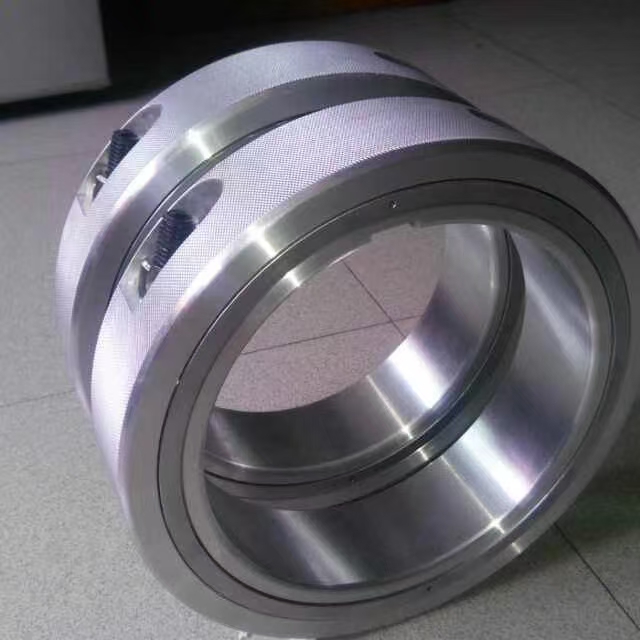
    1. Hydraulic nuts are widely used in the metallurgy of copper and aluminum metals, the paper industry, hydraulic locking on slitting machines, etc.; 2. Installation and removal of propellers, rudder bearings, etc.; 3. Removal of high pressure joint surfaces, such as train wheels, couplings, flywheels, and gears. Hydraulic nuts are an advanced bolt assembly method, particularly suitable for fastening in narrow spaces and on heavy-load vibrating machinery. The working principle of a hydraulic nut is to use a hydraulic cylinder to directly apply external force to the bolt, causing the bolt to stretch within its elastic deformation range. After the bolt is stretched, the locking ring on the hydraulic nut is tightened, which locks the bolt in the stretched position.
    View More

  • What is Leveling Roll
    Apr 10, 2026 What is Leveling Roll
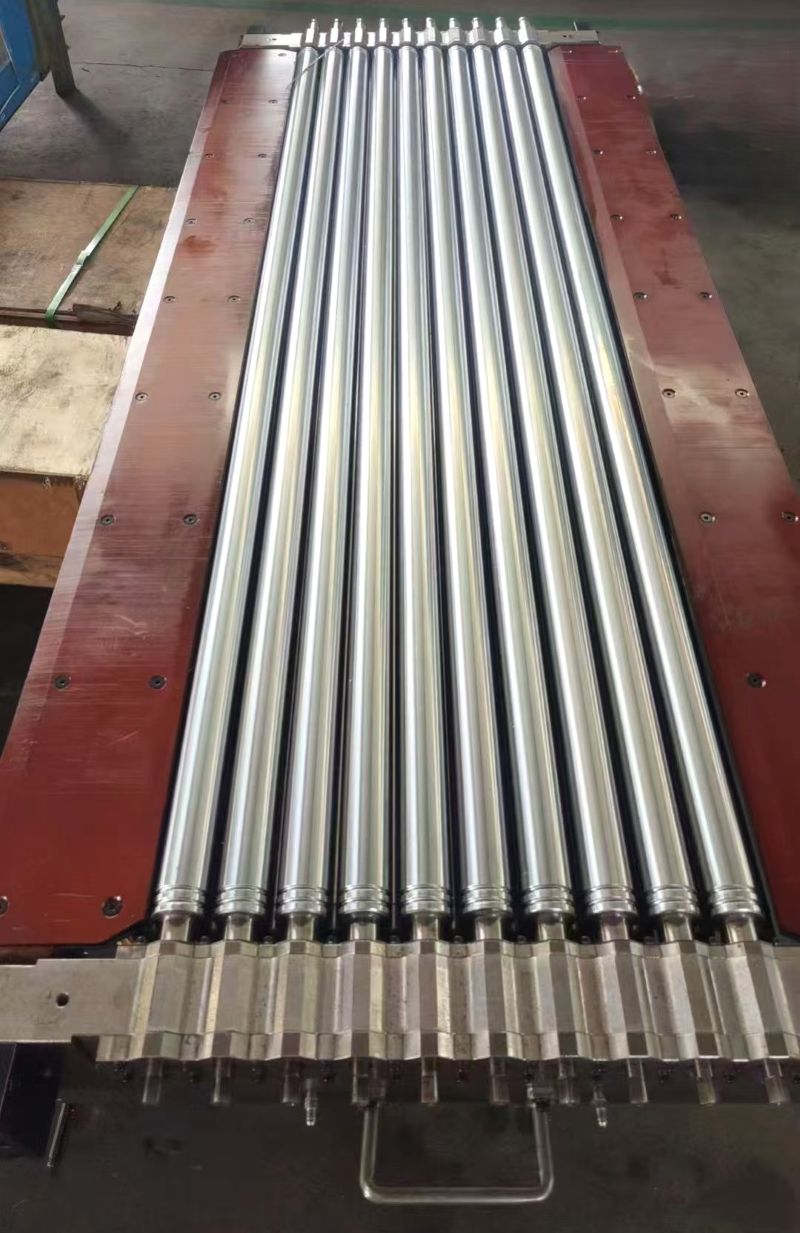
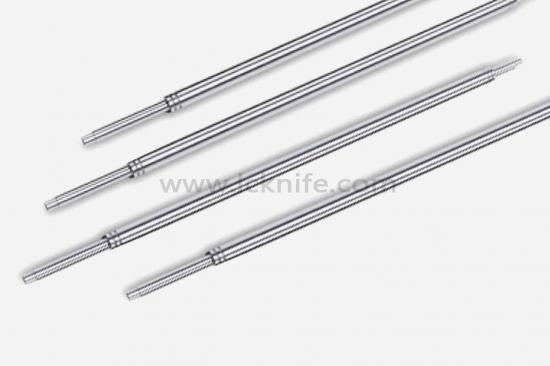
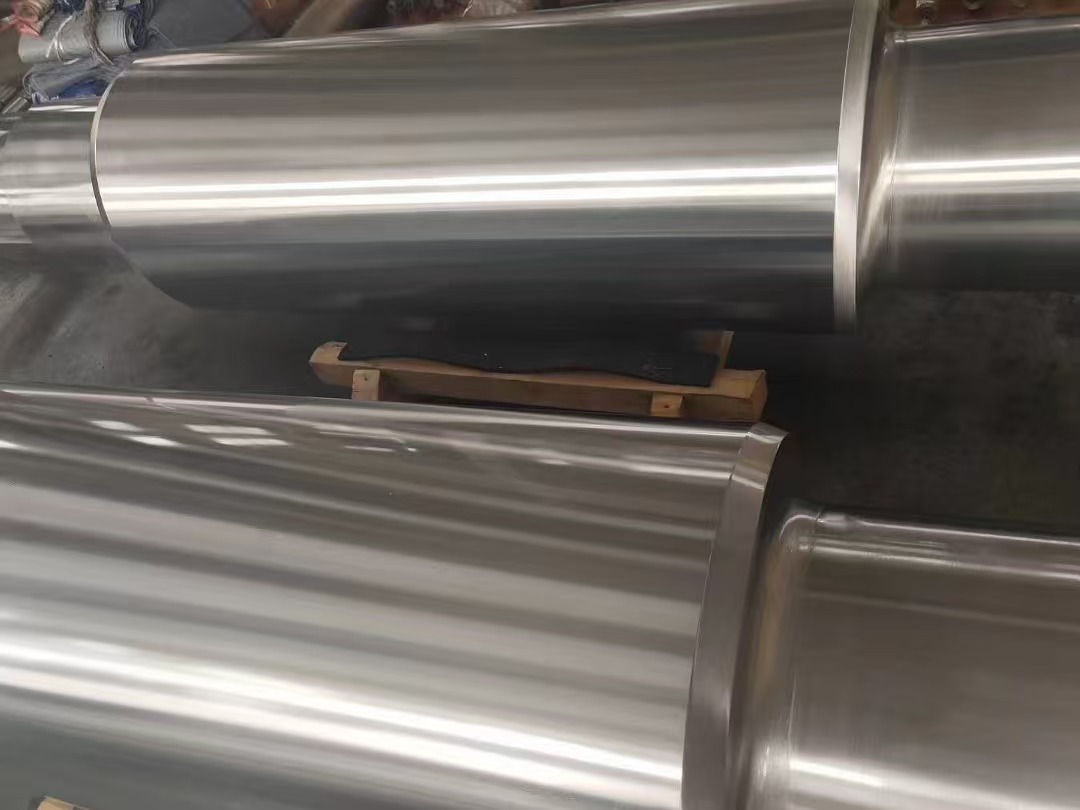
    Leveling rollers are the core components of a leveling machine, and their design and material selection directly affect the performance and efficiency of the machine. Leveling rollers are usually made of alloy steel, with a surface hardness of HRC58-62, offering wear resistance three times higher than ordinary steel.  The roller spacing adjustment is driven by an electric screw, with an accuracy of up to 0.01mm, suitable for processing sheets with thicknesses of 0.3-20mm. The number of rollers, roller diameter accuracy, and roller spacing adjustment accuracy are all key technical indicators critical to the leveling performance of the machine.
    View More
  • Shear blades require tempering after quenching to achieve the necessary balance of strength and toughness
    Apr 09, 2026 Shear blades require tempering after quenching to achieve the necessary balance of strength and toughness
    Shear blades typically require tempering after quenching to achieve the necessary balance of strength and toughness. Most customers focus their inspections on hardness results and the number of tempering cycles, but rarely analyze the shear blades from the perspective of hardenability. The hardenability and the width of the hardenability band depend primarily on the precise control of the steel's chemical composition and its chemical uniformity. Ensuring the production of "hardenability-guaranteed" steel is essentially a matter of solving metallurgical quality issues: Precision of chemical composition and steel purity are significantly improved. Chemical segregation and banded structures are minimized. Component segregation leads to a wide dispersion of hardenability and inconsistent hardness. Meanwhile, banded structures have a severe negative impact on heat treatment deformation and overall performance.
    View More
first page 1 ... 4 5 6 7 8 ... 13 last page

A total of 13 pages

Newsletter

Please read on, stay posted, subscribe, and we welcome you to tell us what you think.

Leave a message
welcome to Licheng
If you are interested in our products and want to know more details,please leave a message here,we will reply you as soon as we can.

Home

Products

about

contact